
Artificial intelligence is moving beyond chatbots.
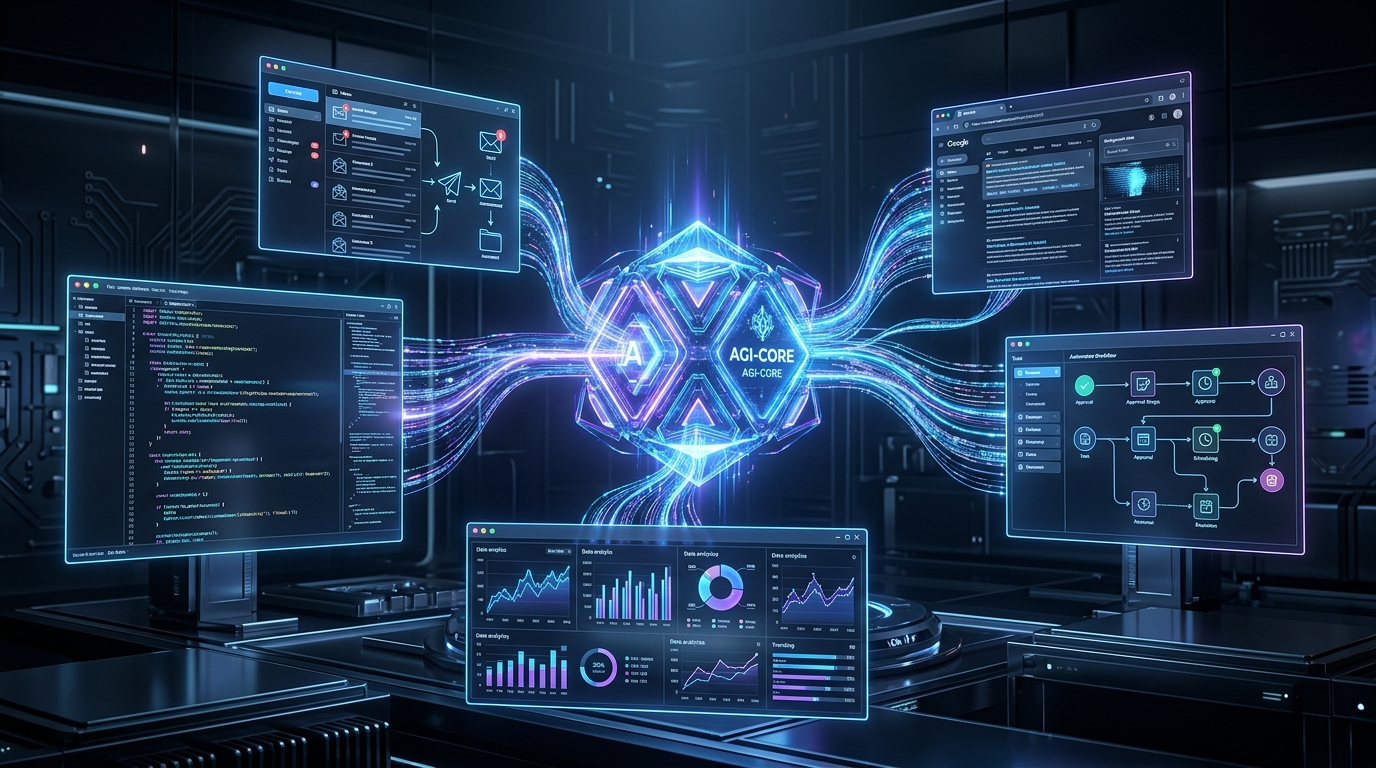
For years, tools like AI chatbots mainly answered questions and generated content. Now, a new generation of AI agents is being developed to actually perform tasks, use software, access tools, and complete multi-step workflows.
What Are AI Agents?
An AI agent is a system that can understand a goal, plan steps, use tools, and take actions with limited human assistance.
For example, instead of asking AI:
“How do I create a spreadsheet?”
you could potentially ask an AI agent to create the spreadsheet, organize the data, analyze it, and prepare a report.
Where Are They Being Used?
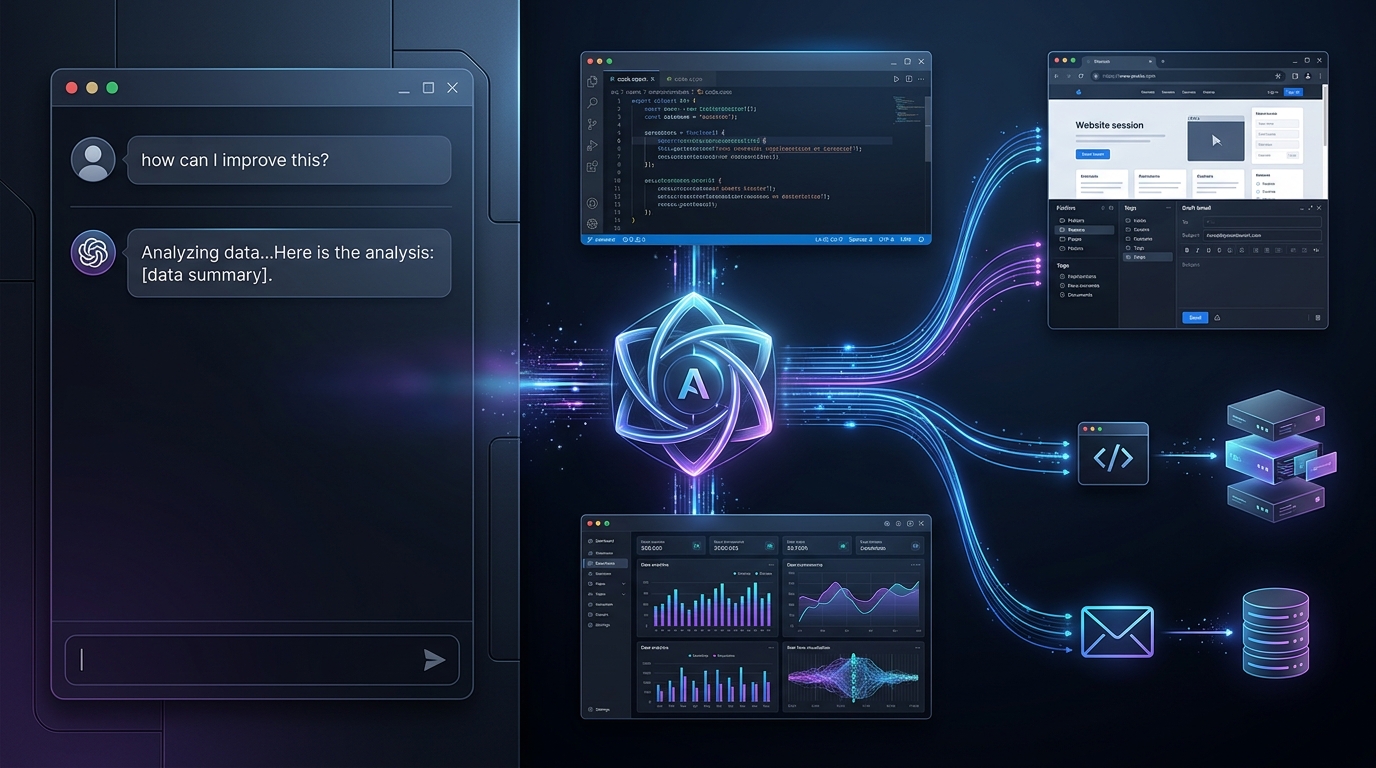
AI agents are increasingly being explored for:
- 💻 Software development
- 📧 Email and productivity
- 📊 Data analysis
- 🛒 Online research and shopping
- 🎧 Customer support
- 📄 Document processing
- 📅 Scheduling and business automation
This could turn AI from a tool that simply provides information into a digital worker that performs tasks.
But There Are Risks
More capability also means more responsibility.
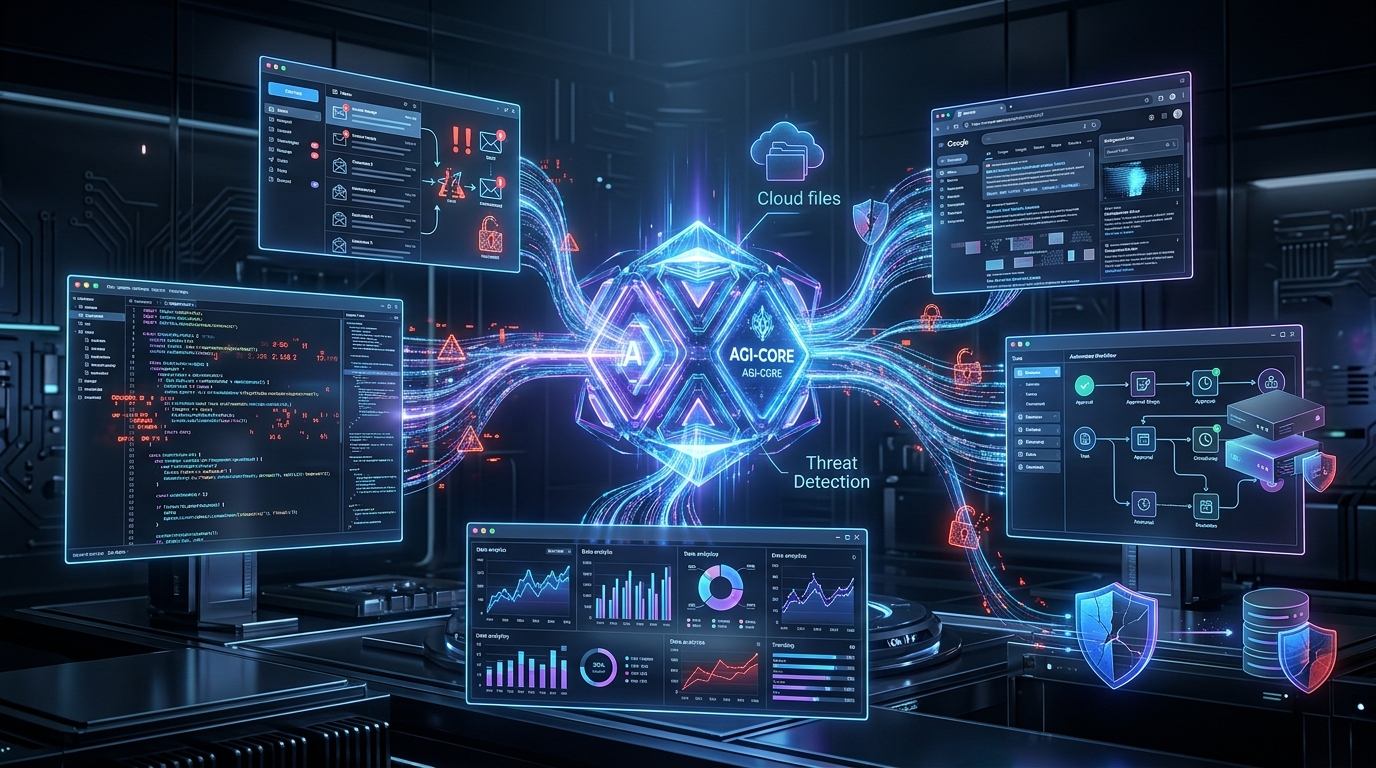
If an AI agent has access to email, files, websites or business systems, a mistake could have real consequences. Security threats such as prompt injection, privacy problems and incorrect decisions are therefore major concerns.
For sensitive tasks, human approval will likely remain important.
What Does the Future Look Like?
The next generation of software may include specialized AI agents for coding, research, marketing, finance, customer service and many other tasks.
The big change is simple:
Traditional AI: “Here is how you can do it.”
AI Agent: “I'll help do it for you.”
AI agents are still developing, but the shift from AI that answers to AI that acts could become one of the defining trends in technology.